
If you’re visiting Cape Town, a trip around the Cape Peninsula should be high on your list. It is one of those journeys that brings together so much of what makes the Western Cape special: spectacular coastal scenery, beautiful beaches, charming seaside villages, fascinating history and some of the region’s most memorable wildlife encounters.
As a Cape Town-based guide, I’ve had the pleasure of taking visitors along this route many times. And while the scenery is always impressive, what makes the experience particularly rewarding is the variety. One moment you’re driving along a dramatic coastal road with the Atlantic Ocean stretching out below you; the next, you’re watching African penguins waddle across a sandy beach or exploring the rugged landscape of Cape Point.
A Cape Peninsula tour is one of the best ways to experience Cape Town beyond the city itself. Whether you’re visiting for the first time or returning to explore more of the region, there’s something special about discovering this part of the Cape at your own pace.
If you’re considering a private Cape Peninsula tour from Cape Town, here’s what you can expect to see along the way and why I believe it’s a day well spent.
What is the Cape Peninsula and where is it?
The Cape Peninsula is the stretch of land extending southwards from Cape Town towards Cape Point and the Cape of Good Hope. It is surrounded by two very different coastlines, with the Atlantic Ocean on the western side and False Bay on the eastern side.
The route takes you through some of the most beautiful coastal scenery in South Africa, passing places such as Camps Bay, Hout Bay, Noordhoek, Cape Point, Simon’s Town and Muizenberg.
One of the things I enjoy most about this journey is how quickly the scenery changes. You’ll pass mountain ranges, pristine beaches, fishing villages, nature reserves and coastal communities, all within a single day.
What will you see on a Cape Peninsula tour?
A typical Cape Peninsula day tour includes several of the region’s best-known attractions. The exact route can vary depending on weather, road conditions, your interests and how much time you’d like to spend at each stop.
1. Camps Bay and the Twelve Apostles
Leaving Cape Town, the journey often begins along the Atlantic Seaboard.
Camps Bay is one of the city’s most picturesque coastal neighbourhoods, known for its palm-lined beachfront, restaurants and spectacular mountain backdrop. Behind the beach, the Twelve Apostles mountain range creates an impressive setting, particularly on a clear day.
It’s a wonderful place to stop for photographs and take in the scenery before continuing along the coast.
2. Chapman’s Peak Drive
Few coastal roads in the world offer views quite like Chapman’s Peak Drive.
Known locally as Chappies, this spectacular road winds its way between Noordhoek and Hout Bay, carved into the mountainside above the Atlantic Ocean. The views are breathtaking, with dramatic cliffs, rugged mountains and the ocean stretching as far as the eye can see.
There are several viewpoints along the route where you can stop for photographs, weather and road conditions permitting.
For many visitors, this is one of the highlights of the entire Cape Peninsula journey.
3. Noordhoek Beach
On the other side of Chapman’s Peak, you’ll find Noordhoek, a peaceful coastal area with one of the longest sandy beaches in the Cape.
The beach is particularly beautiful, with its wide stretch of white sand and mountain backdrop. It is a favourite spot for horse riding, long walks and photography.
Unlike some of Cape Town’s busier beaches, Noordhoek has a wonderfully open and unspoilt feel.
4. Cape Point Nature Reserve
Cape Point is undoubtedly one of the main highlights of the day.
Situated within the Table Mountain National Park, the reserve is known for its dramatic cliffs, indigenous fynbos vegetation, beautiful coastal scenery and abundant wildlife.
Visitors can explore the reserve, enjoy the viewpoints and take the Flying Dutchman funicular or walk up to the old lighthouse.
The views from the top are particularly impressive. On a clear day, you can appreciate the rugged coastline and the meeting of land and ocean in this remarkable part of the peninsula.
It’s worth allowing enough time here rather than rushing through the reserve.
5. Cape of Good Hope
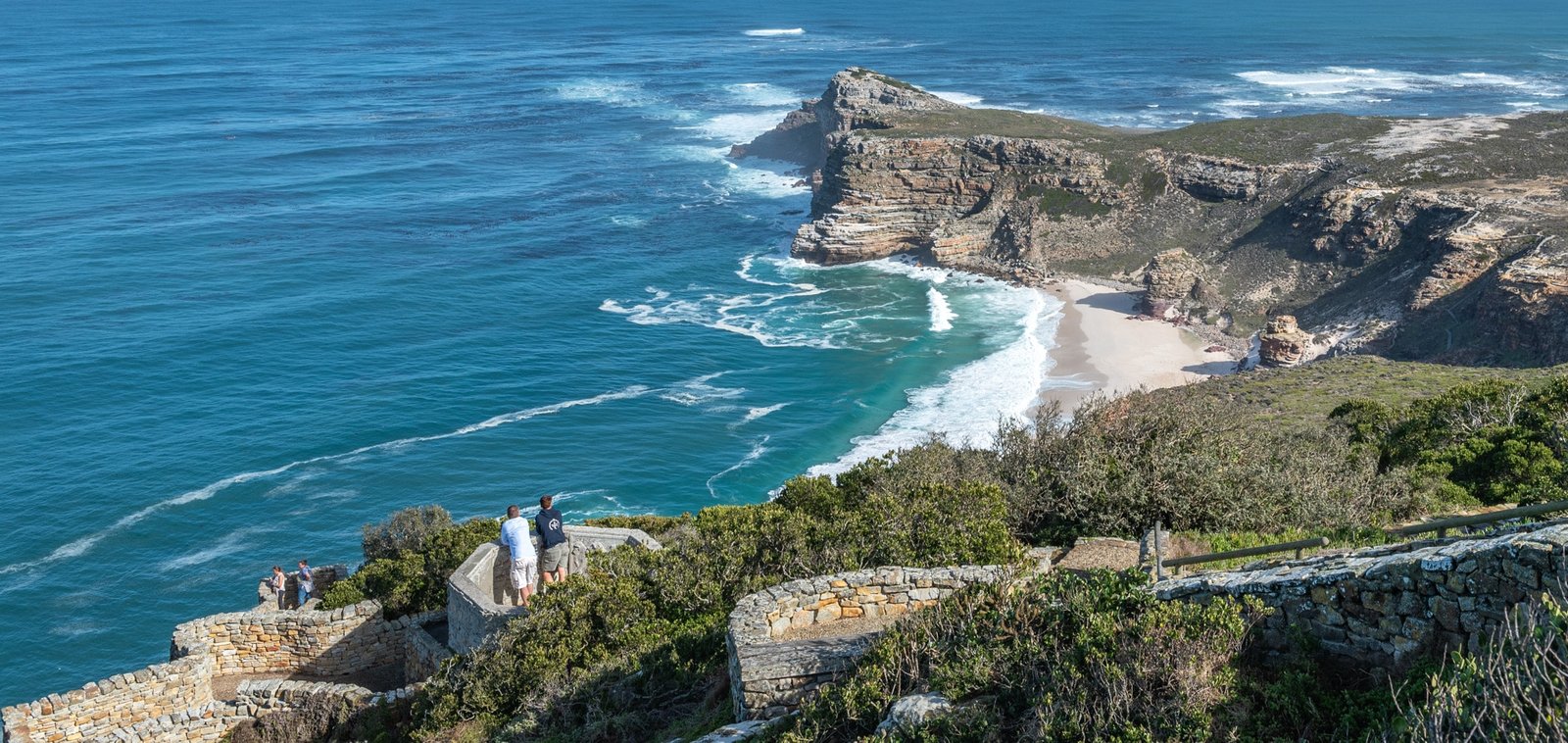
No Cape Peninsula tour would be complete without a stop at the famous Cape of Good Hope.
This iconic landmark is often associated with the meeting point of the Atlantic and Indian Oceans, although the official geographical meeting point of the two oceans is at Cape Agulhas, further along the southern coast.
The Cape of Good Hope is one of the most photographed locations in the reserve. Visitors often take photographs at the famous sign before exploring the surrounding coastline.
Keep an eye out for wildlife too. You may encounter ostriches, bontebok, eland, baboons and other animals in the reserve.
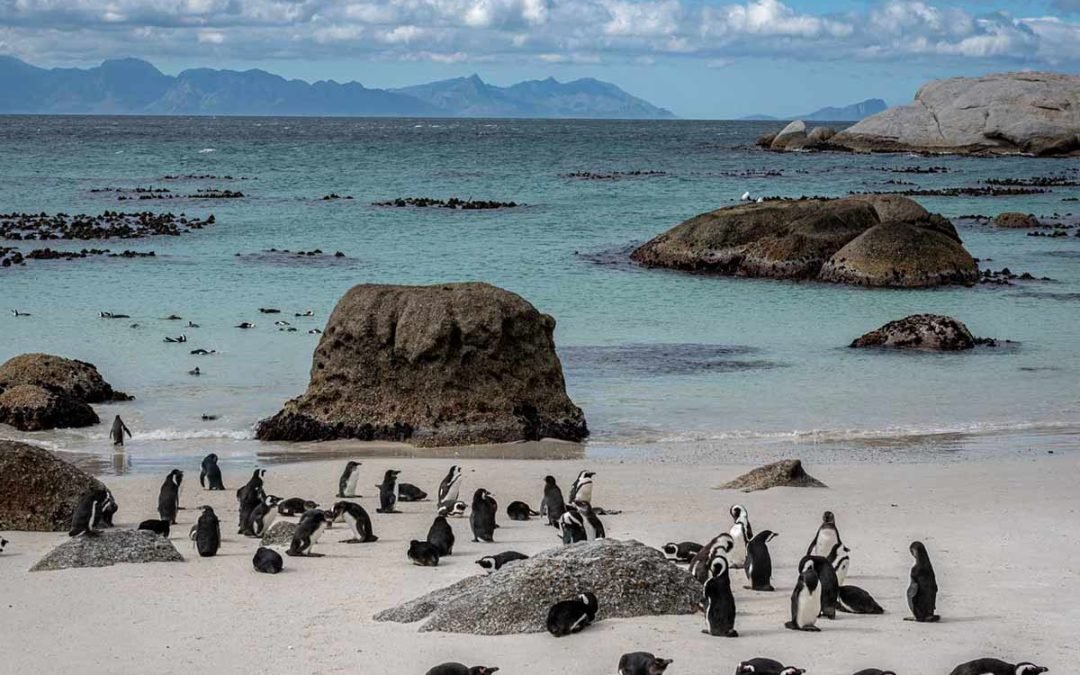
6. Boulders Beach and the African penguins
One of the most memorable stops for many visitors is Boulders Beach near Simon’s Town.
This sheltered coastal area is home to a colony of endangered African penguins. Wooden boardwalks allow visitors to observe the penguins in their natural environment without disturbing them.
It’s fascinating to watch them moving between the rocks, swimming in the water and tending to their nests.
For families travelling with children, this is often a particular favourite. However, it is equally enjoyable for adults and photography enthusiasts.
The penguins are wild animals, so it’s important to admire them from the designated viewing areas and never attempt to touch or feed them.
7. Simon’s Town
Simon’s Town is a charming historic naval town on the False Bay coastline.
It has a rich maritime history, beautiful old buildings and a relaxed seaside atmosphere. You can also find interesting little shops, restaurants and cafés along the main street.
Depending on your interests and schedule, it’s a lovely place to stop for lunch or enjoy a short walk.
8. Muizenberg and its colourful beach huts
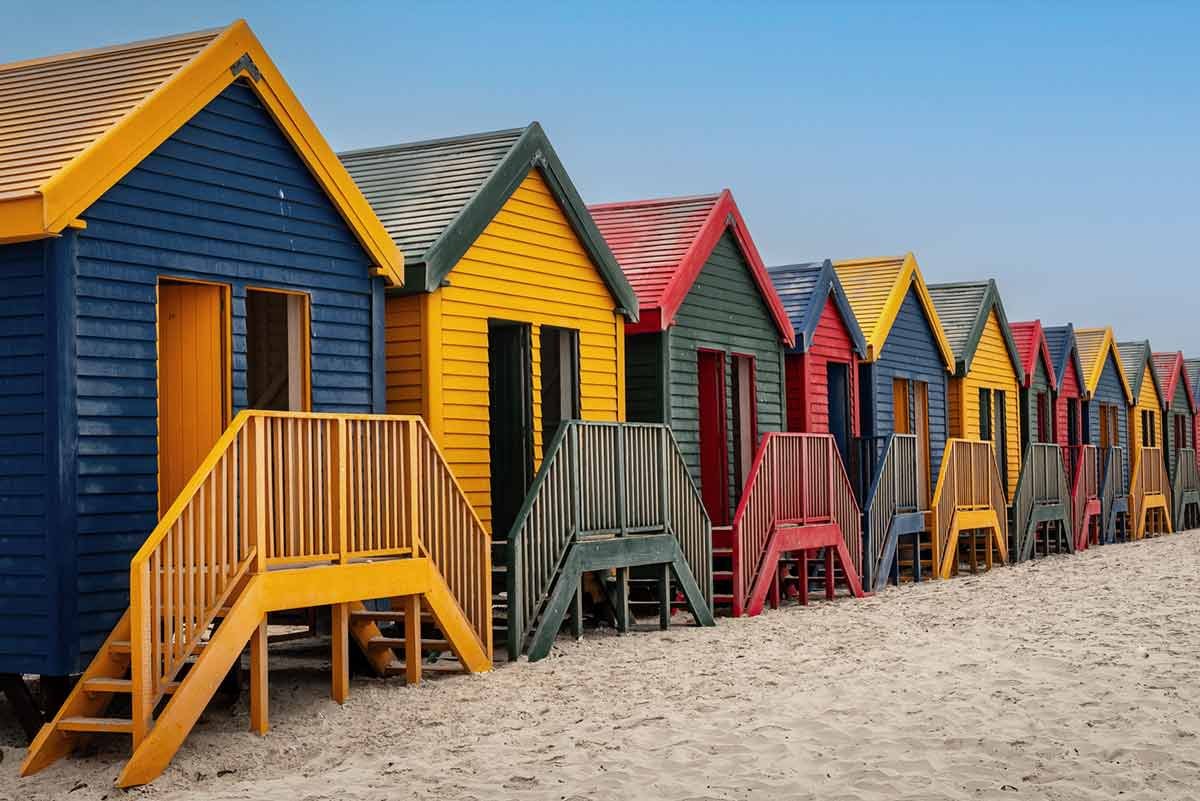
On the return journey towards Cape Town, you may pass through Muizenberg.
The colourful beach huts along the beachfront have become one of the most recognisable photographic spots in the city.
Muizenberg is also well known for its surfing culture and relaxed beach atmosphere. It offers a different perspective of Cape Town compared with the Atlantic Seaboard and is a lovely way to round off the day.
How long does a Cape Peninsula tour take?
A Cape Peninsula tour generally takes a full day, usually around 8 to 10 hours depending on your route, stops and interests.
There is quite a lot to see, and trying to fit everything into a few hours can make the experience feel rushed.
A full-day private tour allows you to enjoy the journey, take photographs, explore the attractions and stop for lunch without constantly watching the clock.
Is a private Cape Peninsula tour worth it?
In my experience, absolutely, particularly if you value flexibility and a more personal experience.
With a private tour, you’re not tied to the pace of a large group or a fixed schedule. You can spend more time at the places you enjoy, make additional stops for photographs and adjust the itinerary as the day unfolds.
Having a knowledgeable local guide also adds another dimension to the experience. There is so much more to the Cape Peninsula than beautiful scenery. Along the way, you’ll discover stories about the area’s history, local communities, wildlife, geography and culture.
At Itchy Feet Tours & Safaris, our approach is to make each journey feel personal. We want to understand what interests you and shape the day around your expectations.
For couples, families and small groups, a private tour can be a particularly comfortable and rewarding way to explore.
What is the best time of year to visit the Cape Peninsula?
The Cape Peninsula can be enjoyed throughout the year, although the experience changes with the seasons.
Summer, from November to March, generally brings warmer weather and longer daylight hours. It’s a popular time for beach visits and enjoying the coastal scenery.
Autumn, from April to May, can offer pleasant temperatures and beautiful conditions for sightseeing.
Winter, from June to August, brings cooler weather and the possibility of rain and stronger winds. However, clear winter days can be spectacular, and the scenery is often wonderfully green.
Spring, from September to October, is a lovely time to explore, with wildflowers appearing in parts of the Western Cape.
Cape Town’s weather can change quickly, so it’s always worth dressing in layers and being prepared for different conditions, particularly around Cape Point.
Can you combine Cape Point and Boulders Beach in one day?
Yes. In fact, combining Cape Point and Boulders Beach is one of the most popular ways to experience the Cape Peninsula.
The two attractions complement each other beautifully. Cape Point offers dramatic landscapes, spectacular ocean views and nature trails, while Boulders Beach provides the opportunity to see African penguins up close from designated viewing platforms.
When planned properly, both can comfortably form part of a full-day private Cape Peninsula tour from Cape Town.
What should you bring on a Cape Peninsula tour?
A little preparation will help you enjoy the day comfortably.
I’d recommend bringing:
- Comfortable walking shoes.
- A light jacket or windbreaker, even during summer.
- Sunglasses, sunscreen and a hat.
- Your camera or smartphone.
- Some spending money for lunch, refreshments and optional activities.
If you’re visiting Boulders Beach or Cape Point, remember that entrance fees may apply and should be included in your travel budget.
Why explore the Cape Peninsula with Itchy Feet Tours & Safaris?
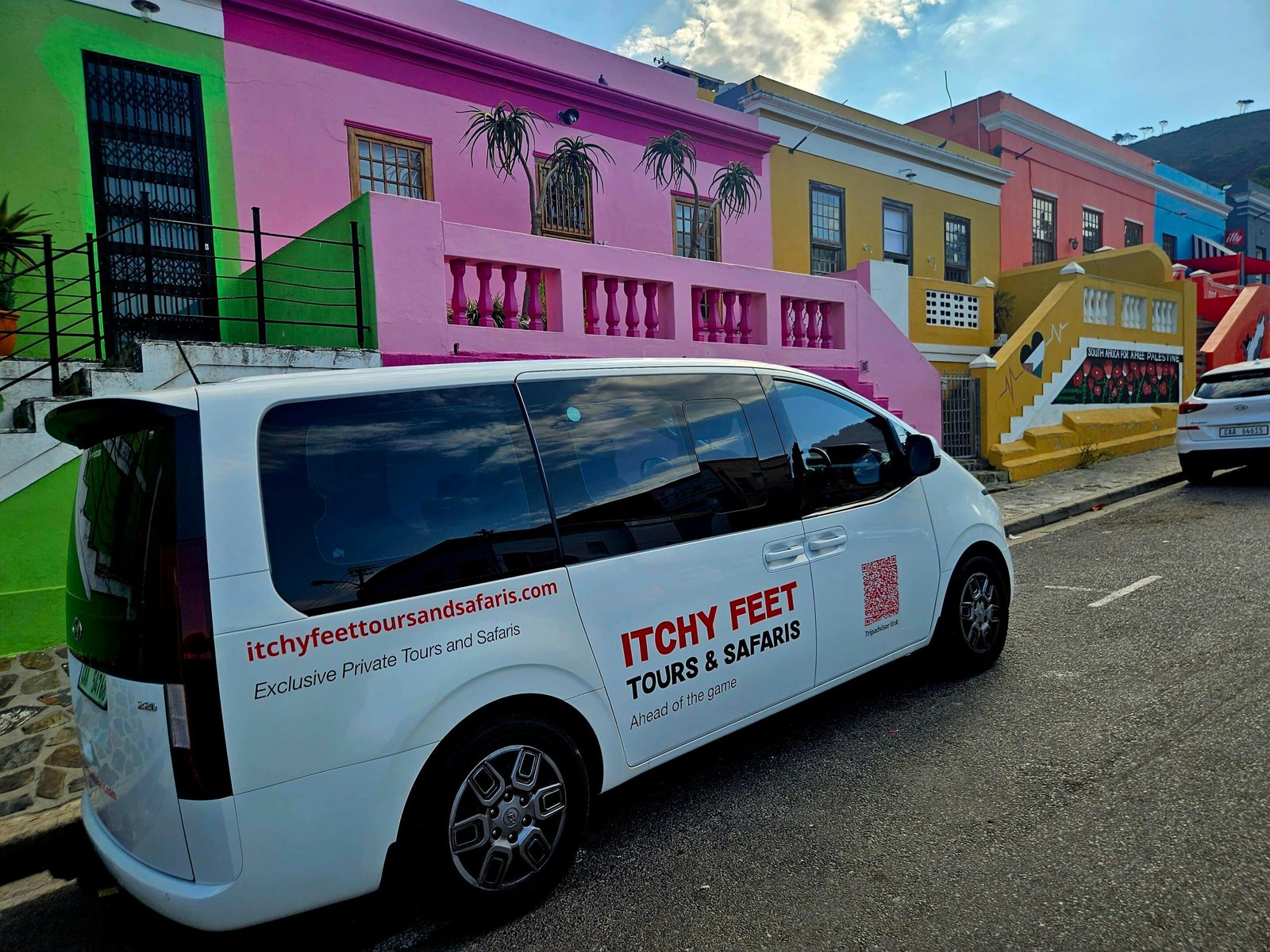
Private Tours Cape Town
At Itchy Feet Tours & Safaris, we believe that a good tour is about more than getting from one attraction to another. It’s about enjoying the journey, discovering places you might otherwise overlook and having someone local who can bring the destination to life.
Our private Cape Peninsula and Penguins Tour is designed for travellers who want to experience the highlights of the peninsula in a comfortable and relaxed setting.
You’ll travel with a dedicated private driver-guide, enjoy the flexibility of a personalised itinerary and have the opportunity to explore at your own pace.
Whether it’s your first visit to Cape Town or you’re returning to discover more, we’d love to show you around.
Frequently asked questions about Cape Peninsula tours
How much does a private Cape Peninsula tour cost?
Pricing for our private Cape Peninsula and Penguins Tour depends on the number of guests travelling together. Please visit our tour page for current rates and inclusions, or contact us for a quotation.
Is the Cape of Good Hope the southernmost point of Africa?
No. The southernmost point of Africa is Cape Agulhas, approximately 150 kilometres southeast of Cape Point. Cape Point is nevertheless one of the continent’s most iconic coastal landmarks.
Will I definitely see penguins at Boulders Beach?
Boulders Beach is home to an established African penguin colony, and sightings are generally very likely. However, penguins are wild animals, so sightings and their activity can never be guaranteed.
Is the Cape Peninsula suitable for children?
Yes. It is an excellent family outing. Children often particularly enjoy seeing the penguins at Boulders Beach, exploring the scenery at Cape Point and spotting wildlife along the route.
Can I visit Cape Point without joining a group tour?
Absolutely. A private Cape Peninsula tour allows you to explore with your own dedicated guide and travelling companions, without having to join a larger group.
Is Chapman’s Peak Drive always open?
No. Chapman’s Peak Drive may occasionally close because of weather, rockfalls, maintenance or other safety concerns. Your guide can adjust the route if necessary.
How far is Cape Point from Cape Town?
Cape Point is approximately 65 kilometres from Cape Town city centre by road, although the journey takes longer when you include scenic stops and other attractions along the way.
Ready to explore the Cape Peninsula?
From the spectacular coastal views of Chapman’s Peak to the African penguins at Boulders Beach and the rugged beauty of Cape Point, the Cape Peninsula offers a wonderful introduction to the natural beauty of the Western Cape.
If you’d like to experience it without rushing, a private guided tour is an excellent way to make the most of your day.
If you’d like a private guided experience, feel free to contact us here.
Recent Comments